

FULL CUSTOMISATION
Patterns, gradients and positioning marks are designed with each panel before assembly.
 Printing costs included
 Custom design included from 50 items
 Free delivery on orders over €500
 Lead time: 2 to 3 weeks
What is textile dye sublimation ?
Colour does not stay on the surface.
It bonds with the fibres.
Dye sublimation uses heat to transfer a printed design into the fibres of a polyester fabric. The print does not form a layer on the surface, so the garment retains its feel, flexibility and full customisation potential.
Discover the process ↓The design is first printed onto transfer paper. As it passes through the heat press, heat transfers the colours from the paper into the fabric fibres.

The design is printed onto specialist transfer paper.
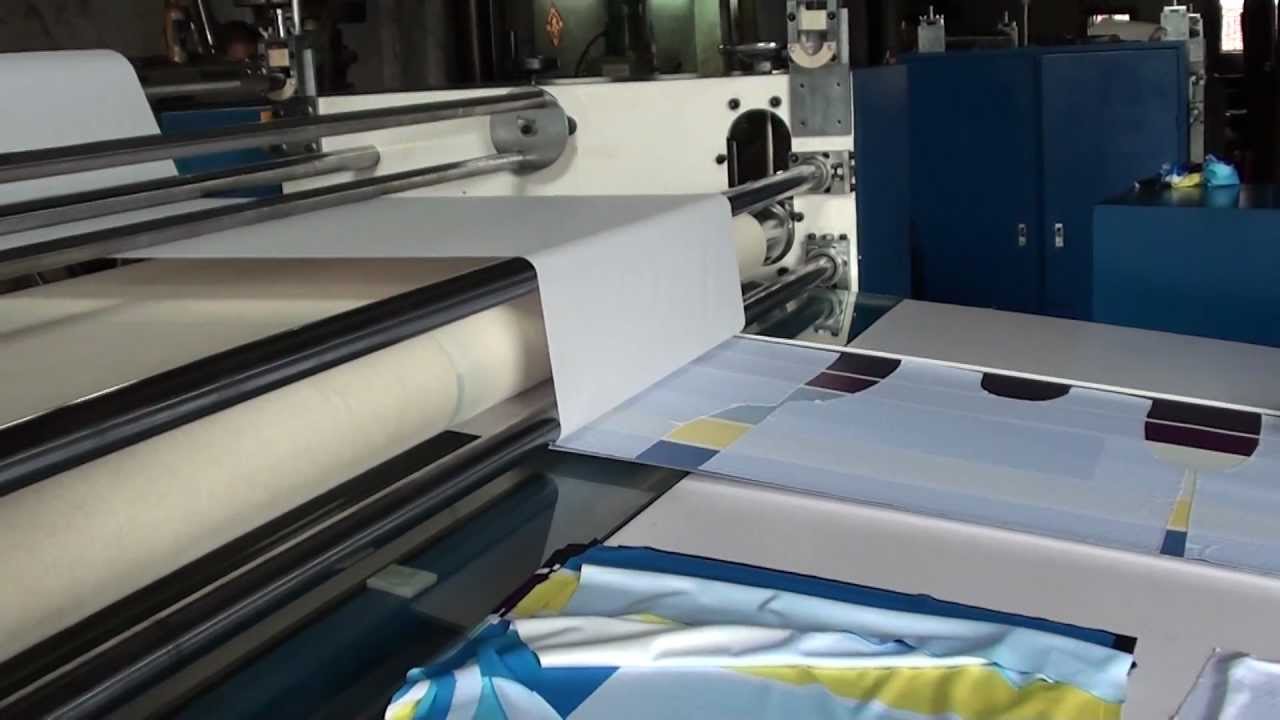
The printed paper and fabric pass through the heat press, bonding the colour with the polyester fibres.
Design creation and adjustment

Printing on sublimation paper

Transferring paper to fabric

Assembling garments

Shipping your order
The design becomes part of the fabric itself, without adding a covering layer of print.
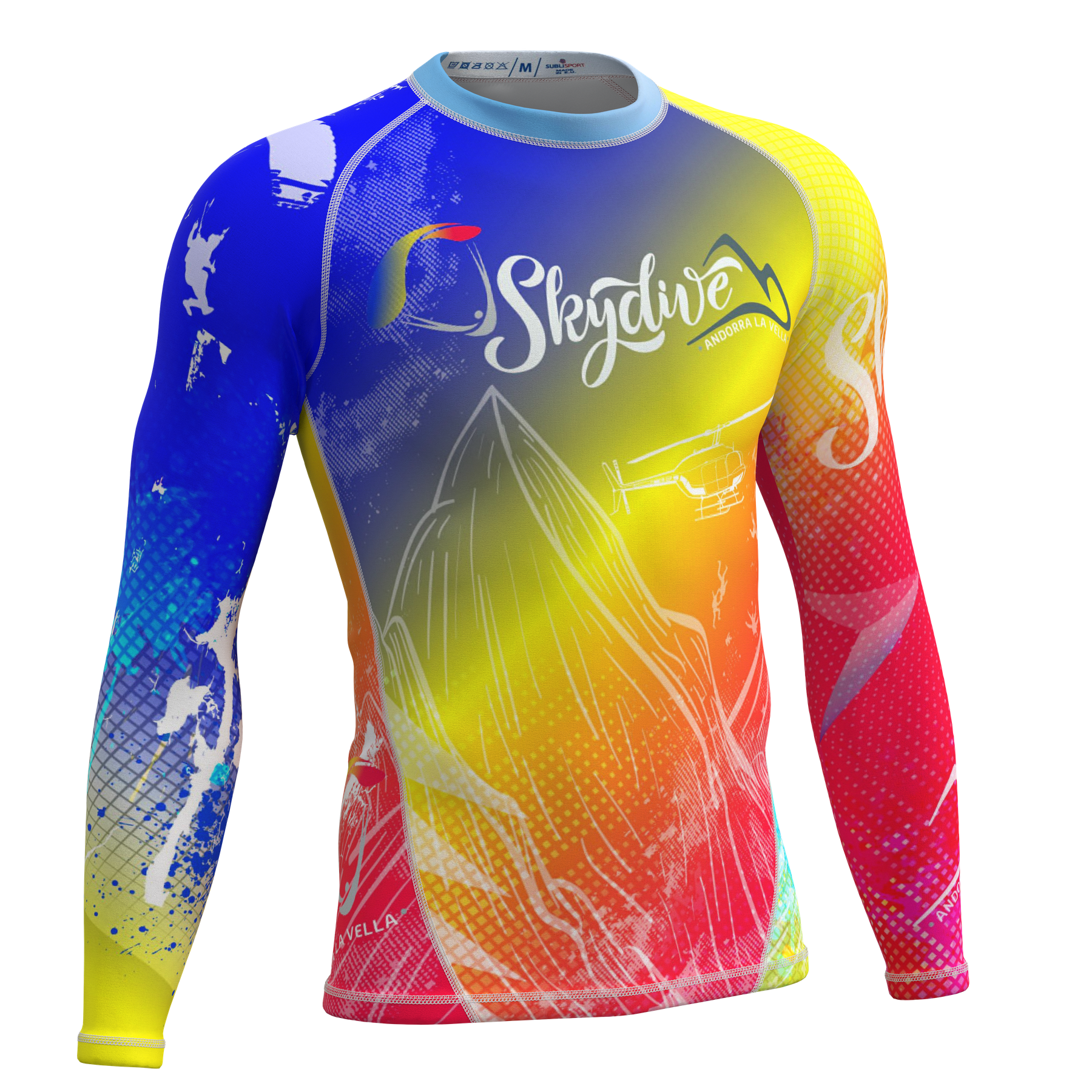
Patterns, gradients and positioning marks are designed with each panel before assembly.

No film is added to the fabric, so the surface remains smooth and continuous.

The print adds no covering layer over breathable areas.

There is no surface film that can peel or crack.
Dye sublimation is mainly suited to polyester fabrics, most often on a light-coloured base.
The fabric colour, cut and construction all influence the final result.
For cotton, a small logo or a raised finish, another technique may be more suitable.
The process is best suited to polyester fabrics, generally light in colour.
The colour bonds with the fibres without adding a covering film to the surface.
There is no print film that can crack or peel away.
Not with the same result: another technique is often more suitable.
The design is positioned on each garment panel before assembly.
The material, required texture or a very small print area may point to another technique.
Explore our products or tell us directly about your project.
 Français Français
  English (UK)
 Italiano
 Español

